


AFRIX

Applications open · Cohort 2026

The AFRIX AI Grand Challenge

Real African Problems. Global Possibilities.

A worldwide search for innovators solving real African problems with the potential for meaningful impact.

Bring the problem you know best. Show us why it matters and who it affects. We’ll guide you through the journey from problem to solution.

10
Challenge categories
100 words
Problem statement
1–3
People per application
A market trader taking a mobile payment
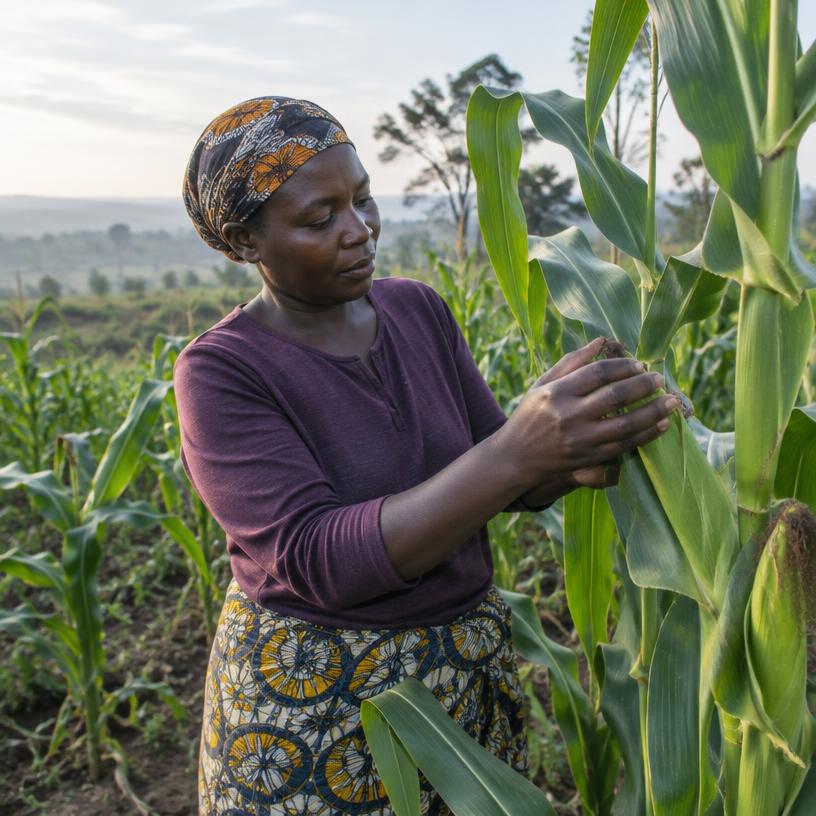
A farmer inspecting her maize crop
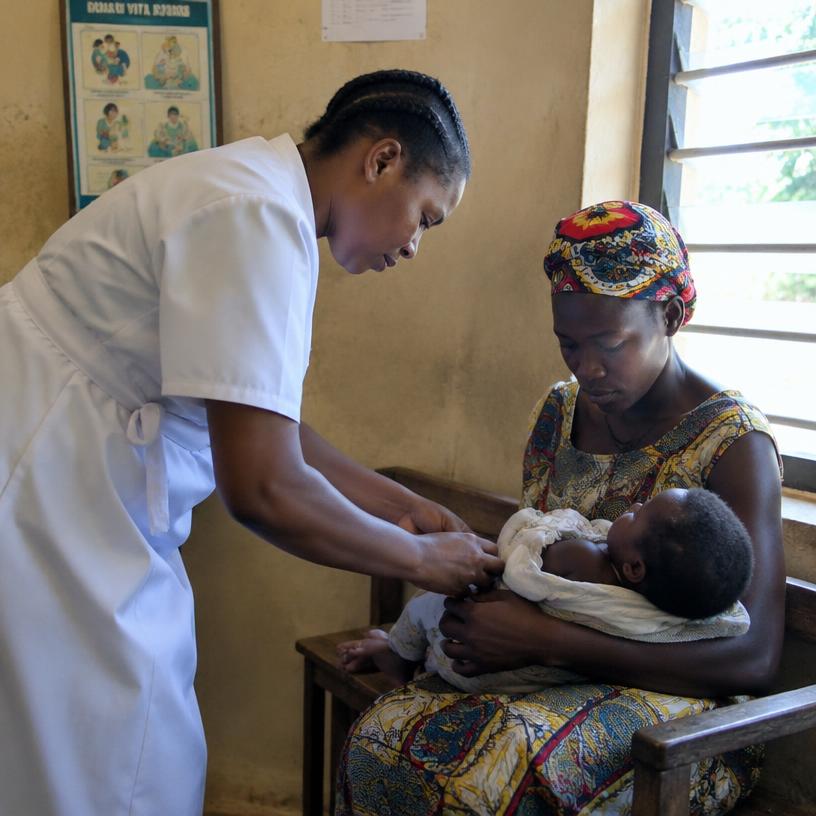
A nurse caring for a mother and baby at a rural clinic
A busy city street with minibuses and delivery riders
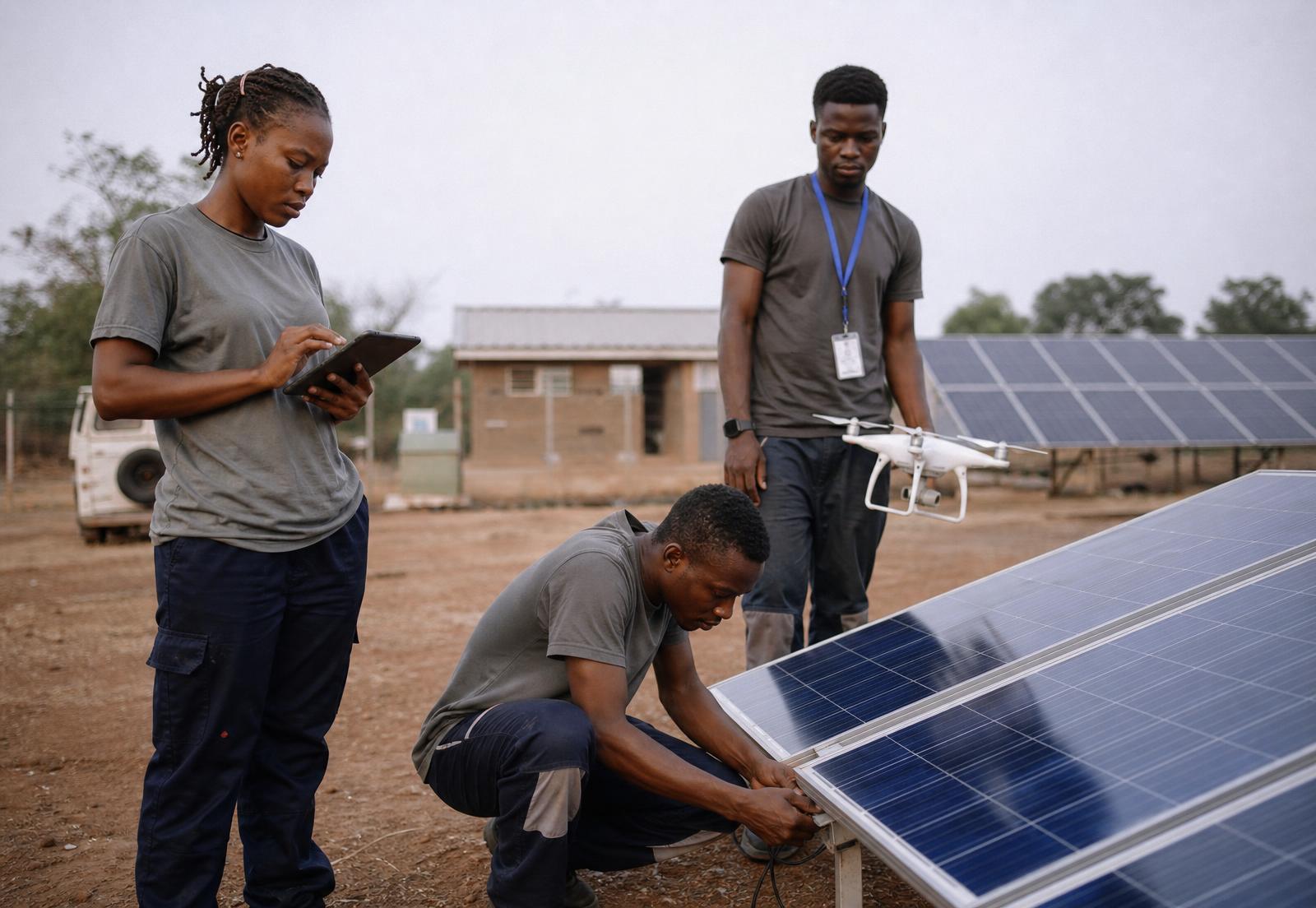
Engineers inspecting solar panels at a rural site
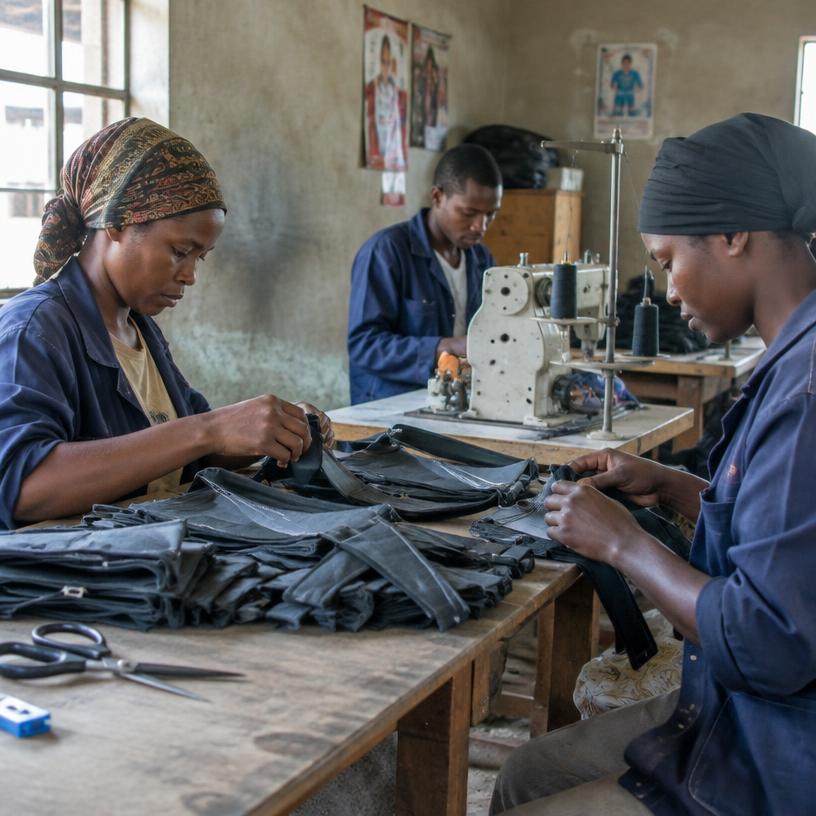
Workers in a small manufacturing workshop

THE AFRIX AI GRAND CHALLENGE

Safari to Entrepreneurship Stardom

Africa's Problems. Africa's Problem-Solvers. Africa's Future.

A worldwide search for people who can identify, understand and ultimately solve Africa's most consequential problems.

  1. Open participationSubmit · Screening · Public assessment
  2. 360Judges select · Masterclasses
  3. 18 teamsProblem Pitch selection · Nairobi evaluation
  4. Final 6Overseas Fieldtrips

Participant journey · How it works

Discover, evaluate and back the people closest to the problem

From open submission and Public Participation to the AFRIX 360, masterclasses, the Problem Pitch, Nairobi and the Final 6.

  1. 1

    Stage 1 · Open Participation

    Tell us what you see.

    Open to all. Register with your basic information and submit one Problem Statement of no more than 100 words. You may enter individually or as an existing team of up to three. Individuals and pairs can complete Stage 1. Every eligible 100-word Problem Statement will be published for Public Participation.

    No video. No prototype. No proposed solution. No pitch deck.

  2. 2

    Stage 2 · Eligibility & Quality Screening

    Does it meet the publication criteria?

    AFRIX checks whether the submission meets the eligibility and quality criteria for publication. Every submission meeting the criteria is published for Public Participation.

    Screening is not competitive selection.

  3. 3

    Stage 3 · Public Participation · Problems That Matter

    Which problems matter most?

    Every eligible 100-word Problem Statement is published for the public to explore. Through "THIS MATTERS", the public helps identify the problems they believe deserve attention. Public participation informs the assessment, alongside the AFRIX judges’ evaluation. Judges have the final say in selecting the AFRIX 360.

    PUBLIC PARTICIPATION INFORMS. JUDGES DECIDE.

  4. 4

    Stage 4 · The AFRIX 360

    The first competitive selection.

    After Public Participation and Judges’ Assessment, judges make the final selection of 360 problems/participants that progress into the programme. Only the selected AFRIX 360 progress to the Masterclasses.

    Judges have the final say.

  5. 5

    Stage 5 · AP — Anatomy of Problems

    Learn to understand the problem more deeply.

    The AFRIX 360 selected by the judges are invited to take part in the online masterclasses. The masterclasses strengthen participants’ understanding of problems, their causes, available evidence, scale and consequences, and how to investigate a problem more deeply.

    The online learning programme is administered by faculty from MIT and Babson College.

  6. 6

    Stage 6 · Reflection & Problem Choice

    Challenge what you thought you knew.

    After the masterclasses, selected participants reflect on what they learned, refine their understanding, review their original problem and form their final team. Participants who entered individually or as a pair must form a team of three before the Problem Pitch; existing teammates confirm their final team.

    The Problem Pitch must be submitted by exactly three people.

  7. 7

    Stage 7 · Problem Pitch

    Show us why this problem matters.

    Teams whose members have completed the required masterclasses submit a revised problem statement, supporting information and evidence, and one three-minute Problem Pitch video. Judges assess this Problem Pitch using the approved problem-first criteria to select the AFRIX 18.

    A team of exactly three. No prototype or developed solution is required at this stage. Is it real, and is it worth a career?

  8. 8

    Stage 8 · AFRIX 18

    18 teams selected for Nairobi.

    Judges review eligible Problem Pitch submissions and select 18 teams — 54 participants — to advance to Nairobi. Selected teams may be announced publicly, and the selection criteria are published.

    Judging, deliberations and individual judge discussions remain private.

  9. 9

    Stage 9 · Live Nairobi Evaluation

    The 18 are evaluated live by the judges.

    The 18 selected teams take part in the two-week in-person innovation and entrepreneurship programme in Nairobi, culminating in a final showcase and live evaluation by the judges. Judges select the Final 6.

  10. 10

    Stage 10 · Final 6

    The top 6 teams go global.

    The Final 6 teams travel overseas to make new connections, gain exposure, and explore collaborative opportunities in China and/or the United States.

    Setting the bedrock for African-born global businesses.

Eligibility

Open to All.

At this stage, we care more about proximity and understanding of the problem than credentials. What matters is how close you are to it — lived experience where relevant, genuine research and evidence, and a clear grasp of who is affected and why it matters. No formal academic or professional qualifications are required.

  • Open to people across educational, professional and personal backgrounds — students, graduates, professionals, entrepreneurs and community members.
  • Start with the problem. You do not need a developed solution, product or business to enter.

Challenge categories

Pick your category

Agriculture and Food

Healthcare

Education

Energy

Financial Services

Climate

Manufacturing

Housing and Mobility

Governance

Digital Inclusion

The criteria

What We Select For

We're looking for people who understand important African problems deeply enough to do something about them.

Is it real, and is it worth a career?

01

Is it an African problem?

The problem must be based in Africa and affect people, communities, organisations or systems in Africa. You don't need to live in Africa to apply.

02

Do you really understand it?

Show us what the problem is, what causes it, who experiences it and what the consequences are — from lived or professional experience, your community, observation or serious research.

03

Can you prove it?

Bring evidence that shows the problem is real and how significant it is — data, observations, conversations, experience or other credible information.

04

Does it matter enough?

Show us why people care about this problem, how serious it is and what could change if it were addressed. You don't need a solution yet.

05

Are you the right people to tackle it?

Tell us why this problem matters to you and what you bring to the challenge. No formal qualifications needed.

Participation in the required AFRIX learning programme is part of the journey and will also be considered as participants progress.

Start with the problem. Understand it deeply. Show us why it matters.

FAQ

Frequently asked questions

The problem you know best is the one worth solving

Applications close when the cohort fills. Start your submission today.

FACULTY

Faculty are from MIT and Babson College.

Sponsors & Partners

The institutions and organisations helping AFRIX turn Africa's problems into opportunities for innovation and impact.

Associate Partners

Organisations supporting the development and delivery of AFRIX.